If you’ve wandered the paint aisles, you know that there are tons of different options. But which one is right for your project?
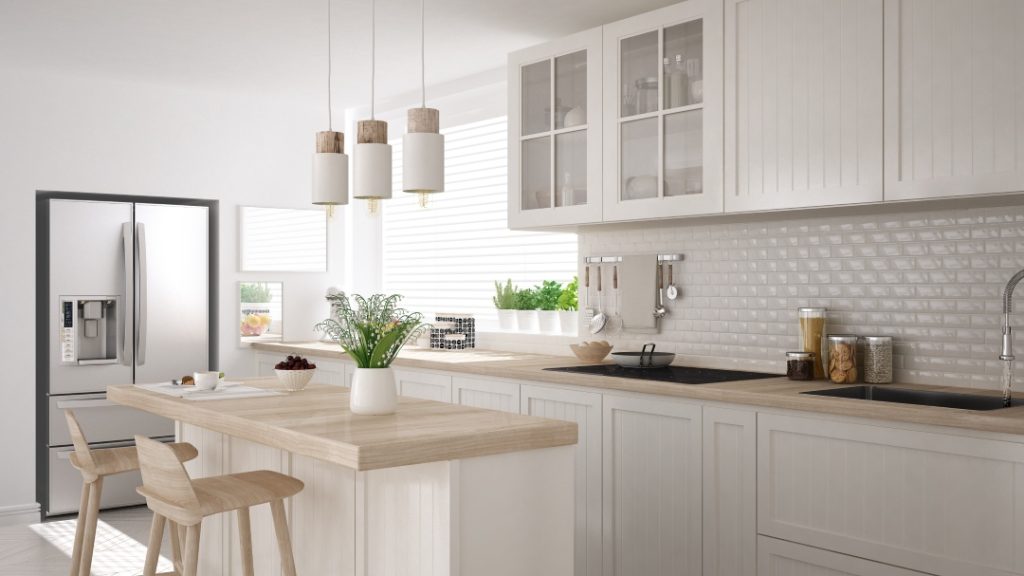
Cabinet painting is a quick and affordable way to refresh your kitchen and is a popular option for homeowners considering San Jose Cabinet Refinishing. It allows for full design flexibility and a variety of finishes, from bright whites to soft pastels. Adding updated hardware completes the transformation.
Cost
Cabinet refinishing is the more budget-friendly option for updating your cabinets. This process involves sanding down the existing doors and drawer fronts, then painting or staining them to create a new look. This update is ideal if your cabinet boxes are in good condition and you want to change the color or style of your cabinets. Refinishing won’t address issues such as misaligned doors or cracked drawer fronts, so if you have these problems, you may want to consider refacing instead of refinishing.
To get an accurate cost for your project, you should have a local professional provide a thorough assessment and written estimate. This includes a labor, materials, and equipment cost estimate for your specific job. Additional costs might include local material delivery or service provider transportation to and from the job site, and cleaning or prep work at the worksite. Labor setup and mobilization time is also typically included in the estimate, as well as costs to test or remediate hazardous materials if necessary.
If you’re planning to do the work yourself, prepare for the project by purchasing a quality sander, paint sprayer, and protective gear. Plan to spend at least a day for each cabinet, and expect results that may not last as long as those from a professional. A pro can reduce your costs by completing the job in a shorter timeline, and they know how to properly ventilate the area and use best practices to achieve durable finishes.
Keep in mind that even a minor kitchen remodel can add value to your home. Upgrading your cabinets to a more modern design can make your home more appealing to potential buyers, and the return on investment is typically higher than for other home improvements. However, if your cabinetry is in bad condition or you want to completely redesign your kitchen, replacement may be the better option for your needs. New cabinetry can be costly, but it also offers the quickest and most dramatic return on your investment. This is especially true if you plan to sell your home soon.
Durability
Unlike cabinet replacement, which requires the entire removal of your cabinets and installation of new ones, refinishing only involves sanding down the existing cabinetry, repairing any damages, and then painting or applying a stain to the surfaces. This makes it a much simpler and often cheaper option for homeowners who are interested in a cabinet update without having to pay for complete renovations.
Depending on the quality of paint used, surface preparation, and maintenance consistency, painted cabinets can last for up to 10 years before they begin to fade or show signs of wear. This is comparable to how long many new factory finishes last when a high-quality product and thorough surface prep are used.
When it comes to refinishing, your options are nearly endless for design flexibility. You can achieve a sleek, modern look by using bright white or experiment with bold colors to add character. You can also create a more rustic, traditional feel that replicates a wood appearance. If you want to add more visual interest, consider incorporating decorative elements like molding and trim.
The durability of cabinet refacing depends on the materials used, professional installation, and maintenance consistency. When you choose a durable material like solid wood veneer or 3D laminate, you can expect your refaced cabinets to hold up against the elements for many years to come.
When choosing refacing materials, it is important to work with an experienced installer. An expert will ensure that all of the adhesives are applied evenly and secure, reducing wear over time. They will also make sure that the veneer or laminate is properly fitted to your cabinets, minimizing gaps and cracks that can cause moisture damage over time. Regular cleaning, prompt spill response, and avoiding harsh chemicals can all significantly extend the lifespan of your refaced cabinets. For these reasons, refacing is an excellent choice for homeowners looking for long-term value in their home improvement project.
Preparation
Cabinet refinishing takes the existing bones of your kitchen and gives them a makeover, transforming their aesthetic without tearing down your entire kitchen. This option is perfect for homeowners who want a dramatic design overhaul but aren’t ready to take on the expense and hassle of a full kitchen remodel.
Depending on your preference, you can choose from matte, satin or high-gloss finishes for your cabinets. To achieve the desired finish, you must first do some prep work, including cleaning, sanding and priming. Primer helps your paint last longer and provides a smooth surface for even color distribution. It also offers extra protection against moisture, dirt and dust.
When it comes to choosing a primer, look for one formulated specifically for cabinetry that’s available in a wide range of sheens. It will provide optimal adhesion and may include a mildew-resistant coating to prevent moisture and mildew from growing in a moist area like your kitchen.
Once the cabinets are cleaned and sanded, it’s time to apply your chosen paint. Be sure to use a quality brush or roller, and work carefully to avoid brush strokes and drips. Aim for thin coats that are evenly spread, and allow each coat to dry before applying the next. It’s important to follow the manufacturer’s instructions for curing times to ensure your new finish can stand up to daily wear and tear.
If you’re considering a drastic color change, it may be necessary to add a third coat to achieve full opacity and rich color. It’s also important to select a paint formulated for cabinetry, as it’ll be more durable and resistant to peeling than other types of paint.
Both refinishing and painting are great options for those who want to update their kitchen’s style, but if you’re interested in more of a complete redesign, refacing may be the better option. Refacing allows you to change the overall layout and style of your kitchen with a more comprehensive design package that includes cabinet door replacement, crown molding and storage solutions.
Ideal Use Cases
Painting is a great option for homeowners who want to update the look of their cabinets without spending a fortune. It can be done in a weekend and can dramatically improve a room’s appeal. However, homeowners should weigh their options carefully before attempting a cabinet refinishing project on their own. Refinishing requires extensive prep work and can be difficult to do correctly. It is also a short-term fix that may require frequent touch-ups and repainting over time.
Refacing, on the other hand, can provide a more lasting upgrade with superior durability. It uses high-quality materials that resist wear and tear better than painted surfaces, and it allows for a wider range of design choices. If you’re looking for a long-term solution that will increase your home’s resale value, refacing is the way to go.
Before beginning the refinishing process, make sure to wash the cabinets thoroughly. This will remove any dirt and grease and will help the paint adhere to the surface. Next, lightly sand the surface to prepare it for painting. Finally, apply multiple coats of high-quality, durable paint. Be sure to follow the manufacturer’s instructions regarding drying times and cure.
Once the paint has dried, you can reinstall the doors and drawer fronts. Before you do, make sure to label where each piece goes. This will save you from putting the wrong hardware back into the wrong spots.
For a more rustic or vintage look, try distressing the cabinets to create intentional wear and tear. This technique is especially effective on wood cabinets with a natural grain that looks great with shabby chic or farmhouse style decor. Another way to add an antique or rustic look is by using a crackle finish, which is created by applying a crackle medium between two contrasting coats of paint.